Golden Rules of Composition in Photography
Golden Rules of Composition for Better Photos
A good photo is not only about having a nice camera or strong editing. What really makes an image stand out is composition — the way elements are arranged inside the frame.
Good composition helps guide the viewer’s eye, creates balance, adds meaning, and makes your image feel more intentional. Whether you are taking pictures for photography, social media, or Instagram posts, understanding a few simple composition rules can instantly improve your shots.
In this guide, we will explore some of the most useful composition techniques, including leading lines, symmetry, framing, negative space, balance, depth, center focus, patterns, and fill the frame.
Leading Lines

Leading lines are lines within an image that naturally guide the viewer’s eyes toward the main subject.
These lines can be:
roads
walls
railings
bridges
shadows
hallways
fences
The purpose of leading lines is to create direction and help the viewer focus on the most important part of the image.
For example, if you are photographing a person standing on a road, the lines of the road can lead directly toward them, making the composition stronger and more engaging.
Why it works:
Leading lines make a photo feel more organized, dynamic, and visually powerful.
Best use:
Use leading lines when you want to create depth or draw attention to a specific subject.
Symmetry
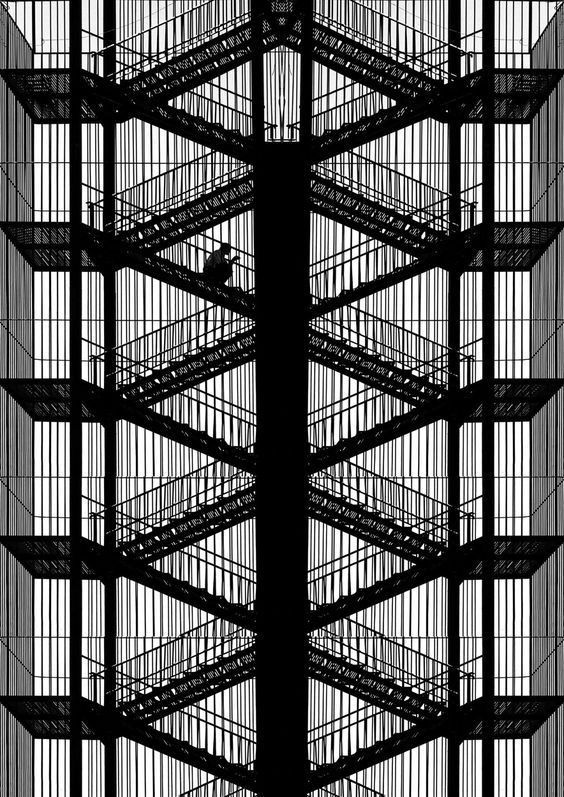
Symmetry is when both sides of an image look balanced or similar.
This can happen naturally in architecture, reflections, buildings, hallways, doors, windows, and even portraits.
A symmetrical image often feels:
clean
satisfying
balanced
visually attractive
For example, if you take a photo of a mosque entrance or a building from the exact center, both sides may mirror each other, creating a pleasing composition.
Why it works:
Symmetry creates harmony and makes a photo look neat and intentional.
Best use:
Use symmetry when your subject or background has naturally equal or mirrored elements.
Framing
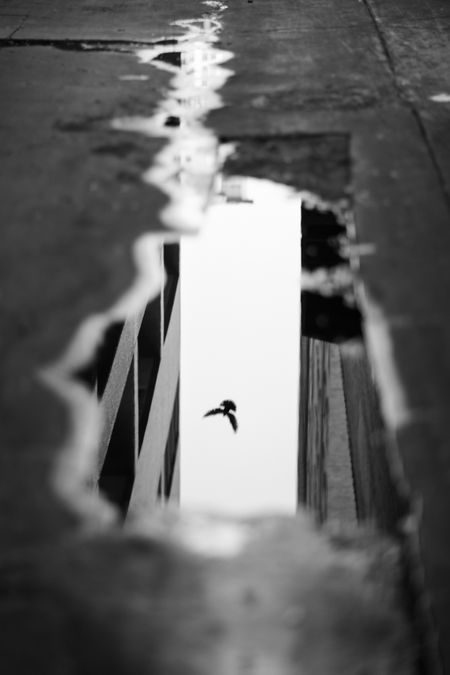
Framing means using elements within the scene to surround or highlight your main subject.
You can use things like:
doors
windows
tree branches
arches
walls
curtains
to create a “frame” around your subject.
For example, taking a portrait through a doorway or between tree branches can make the image feel more focused and artistic.
Why it works:
Framing helps isolate the subject and adds more depth and visual interest to the photo.
Best use:
Use framing when you want the subject to stand out more clearly from the background.
Negative Space

Negative space is the empty or open area around your subject.
This could be:
sky
plain wall
empty road
open field
simple background
A lot of beginners think every part of the frame needs to be filled, but sometimes less is more.
For example, a small person standing against a large open sky can create a very powerful and minimal image.
Why it works:
Negative space gives the subject room to breathe and makes the image feel cleaner and more professional.
Best use:
Use negative space when you want a simple, modern, and focused composition.
Balance

Balance in composition means arranging visual elements in a way that makes the image feel stable and pleasing.
A photo can feel unbalanced if one side looks too heavy or crowded while the other side feels empty without purpose.
Balance does not always mean perfect symmetry. It simply means the elements in the frame work well together.
For example, if your subject is on one side of the frame, you might balance it with a tree, shadow, or building on the opposite side.
Why it works:
Balance makes an image feel more natural and comfortable to look at.
Best use:
Use balance when placing subjects off-center or when composing wider scenes.
Depth
Depth gives your photo a sense of distance and dimension, making it feel less flat and more realistic.
A strong image often includes:
foreground
middle ground
background
For example, if you photograph a person with flowers in front and mountains behind, the image will feel deeper and more immersive.
You can also create depth using:
blur
perspective
layers
shadows
leading lines
Why it works:
Depth makes a photo feel more cinematic, realistic, and visually rich.
Best use:
Use depth when shooting landscapes, portraits, streets, or scenes with multiple layers.
Center Focus
Center focus means placing the main subject directly in the center of the frame.
While many people hear about rules like the rule of thirds, center composition can also be extremely powerful when used correctly.
Center focus works especially well when the subject is:
strong
symmetrical
isolated
visually dominant
For example, a centered portrait, a centered doorway, or a centered object can create a bold and striking image.
Why it works:
It gives the subject full attention and creates a strong visual impact.
Best use:
Use center focus when the subject itself is the main statement of the image.
Patterns
Patterns are repeated shapes, colors, lines, or objects in a photo.
Examples include:
windows in a building
rows of chairs
bricks
tiles
leaves
stairs
Patterns create rhythm and visual structure in an image.
A photo becomes even more interesting when the pattern is broken by a subject, such as a person standing in a repeated row of objects.
Why it works:
Patterns are visually satisfying and help make a photo more attractive and organized.
Best use:
Use patterns when you want repetition, texture, or a more eye-catching visual style.
Fill the Frame
Fill the frame means getting closer to your subject so it takes up more space in the image.
Instead of leaving too much empty or distracting background, you bring the viewer’s attention directly to the subject.
This works especially well for:
portraits
food photography
product shots
flowers
details
For example, instead of photographing a person from far away with too much background, you can move closer so their face or expression becomes the main focus.
Why it works:
It removes distractions and makes the subject more powerful and detailed.
Best use:
Use fill the frame when you want a stronger, more intimate, or more detailed image.
Final Thoughts
Composition is one of the most important parts of photography because it controls how your image feels and where the viewer looks.
You do not need to use every composition rule in every photo. In fact, the best images often use only one or two techniques really well.
The key is to become more intentional with your framing and placement.
Once you start paying attention to things like leading lines, symmetry, framing, negative space, balance, depth, center focus, patterns, and filling the frame, your photos will instantly begin to look more polished, professional, and visually appealing.